

When a dog’s fever, cough, and weight loss persist despite antibiotics, it may be time to reconsider the diagnosis. Explore Scout’s case and the clinical clues that point toward systemic fungal disease, including which diagnostic tests can help guide the next step.

See how veterinarians across the DVM network have answered past Clinical Outcomes Questions of the Week. These responses offer a look into shared experiences, best practices, and approaches to improving patient care together.
Third-Degree AV Block in Dogs
Explore third-degree AV block in dogs, including clinical signs, diagnosis, treatment options, and when urgent cardiac intervention is needed.
Cluster Seizures in Dogs
Responses demonstrated strong clinical alignment, with the overwhelming majority recognizing the urgency of cluster seizures and prioritizing immediate intervention over maintenance medication adjustments alone. These findings reinforce the importance of treating the patient’s clinical presentation rather than relying solely on therapeutic drug levels.
Rabbit Head Tilt: Diagnosis and Treatment in General Practice
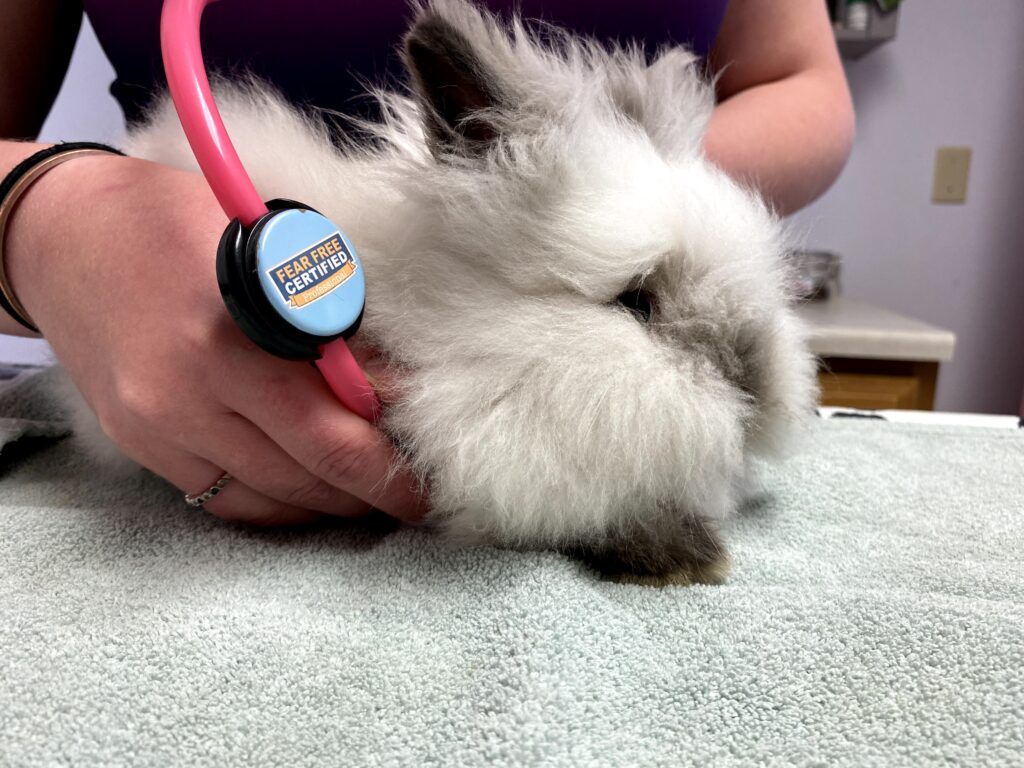
When a rabbit presents with progressive head tilt, a positive E. cuniculi test may not tell the whole story. With 64% of surveyed veterinarians favoring antiparasitic treatment, Hazel’s case explores the importance of considering bacterial ear infections, understanding diagnostic limitations, and making informed treatment decisions when advanced imaging isn’t feasible.
Feline Hyperthyroidism & Renal Function
When adrenal disease is suspected in cats, choosing the right diagnostic and treatment approach can be challenging. Explore how DVMs navigate these cases and what current veterinary literature recommends.
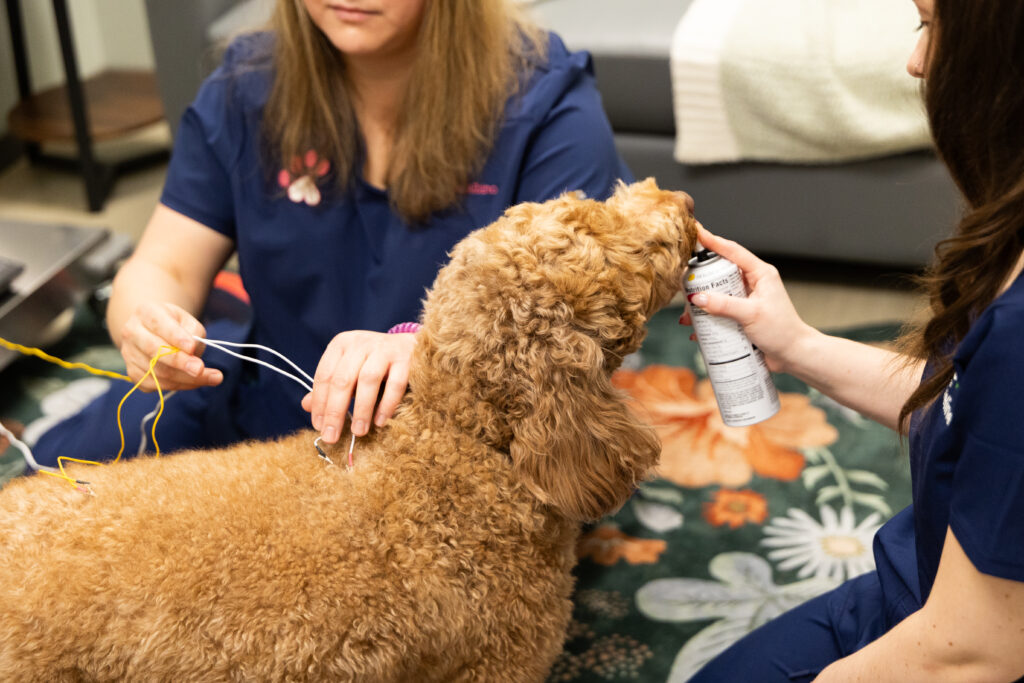
Acute Primary Glaucoma in Dogs
When Walter, an 8-year-old Basset Hound, presented with sudden eye redness, pain, and significantly elevated intraocular pressure, the clinical priority was clear: act quickly to protect his vision. An overwhelming 96% of responding DVMs selected initiating topical IOP-lowering therapy promptly and arranging an urgent ophthalmology evaluation, aligning with the specialist-recommended approach.
Recognizing Xylitol-Associated Acute Liver Injury in Dogs
In veterinary medicine, improvement in one clinical parameter does not always indicate that the underlying danger has passed. Xylitol toxicity in dogs is an important example of how a patient can appear to stabilize while a second, potentially life-threatening complication develops.

Feline Emphysematous Cystitis in a Diabetic Cat
See how 99% of responding DVMs aligned with specialists on diagnosing and treating emphysematous cystitis in a diabetic cat.
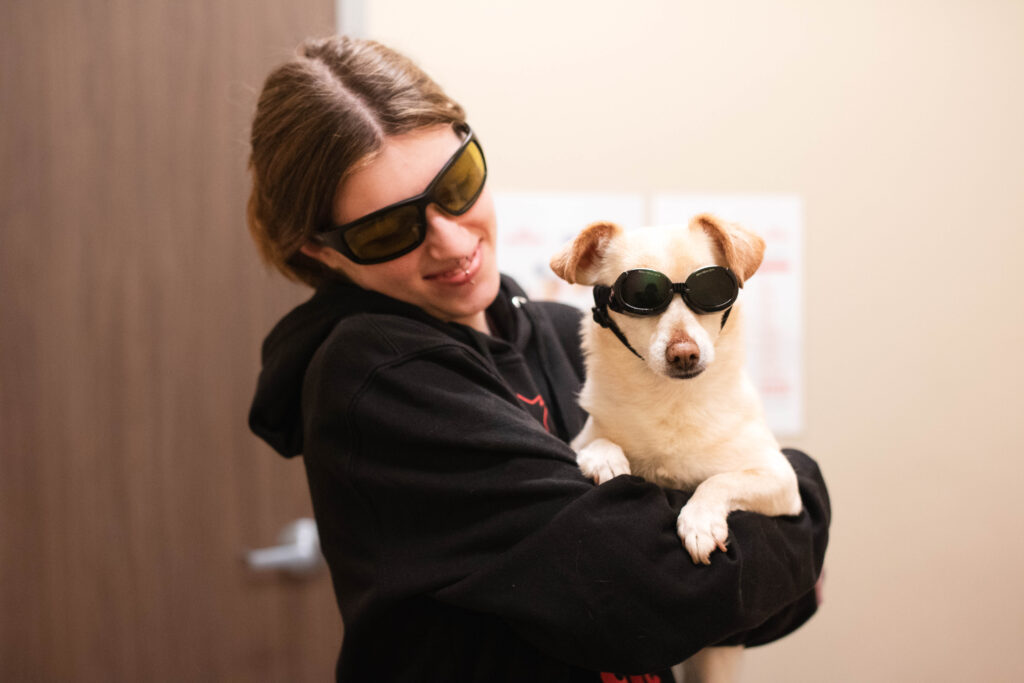
Canine Heartworm Disease with Pulmonary Hypertension
Explore a canine heartworm case complicated by pulmonary hypertension, coughing, exercise intolerance, and collapse, with diagnostic findings and clinical considerations.

Spontaneous Pneumothorax in Dogs
Learn how spontaneous pneumothorax in dogs is diagnosed and treated through this clinical case involving acute respiratory distress, thoracocentesis, and surgical evaluation.

Atypical Hypoadrenocorticism in Dogs
Learn how atypical hypoadrenocorticism can cause chronic GI signs in dogs despite normal electrolytes, and when an ACTH stimulation test is warranted.
First-Line Therapy for Idiopathic Epilepsy in Dogs
See why phenobarbital remains a leading first-line therapy for idiopathic epilepsy in dogs and how it compares with other antiseizure treatment options.